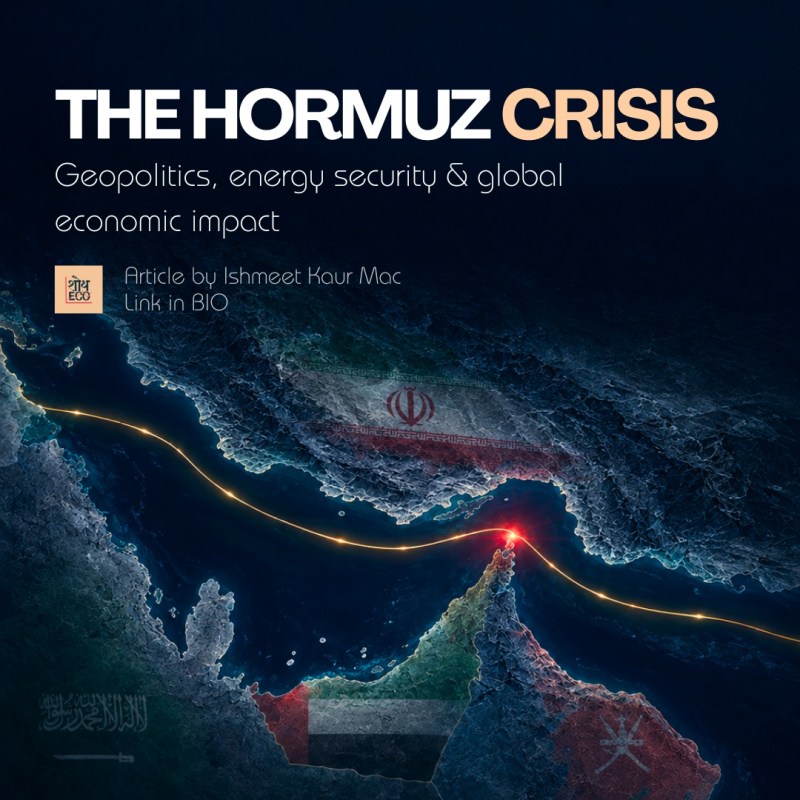
Why did the UAE leave OPEC? What it means for India and the World?

Ved Shaha The United Arab Emirates left OPEC and OPEC+ on May 1, 2026, citing the need to protect its national interests. UAE thinks that its national interests are better served by acting as an independent producer rather than being part of any cartel. In OPEC, the UAE was the third- largest producer and played…

Do cash transfers discourage work? Rethinking welfare and employment

Harsh Prasade Cash transfer programs are those interventions that involve the government or donors sending money, as opposed to food, fuel, or services, to individuals or households who meet certain conditions. This is different from other forms of transfer programs, which often try to specify what people need to consume. Instead, with cash transfer, people…

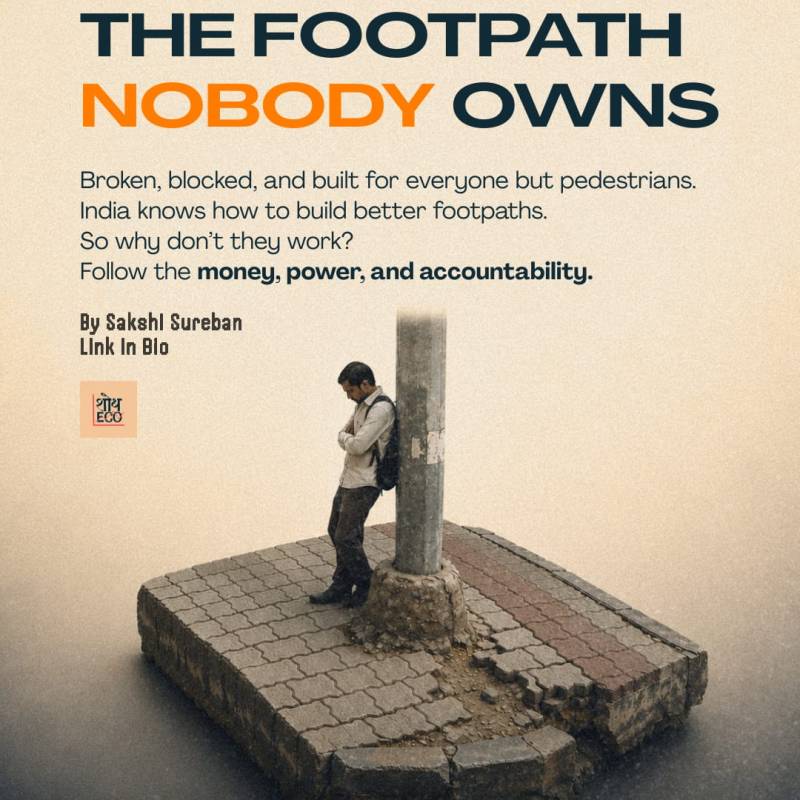
Beyound Decarbonisation : Strategies for inclusive and sustainable transport

India’s transport sector contributes around 5% of GDP and 14% of CO₂ emissions, making it crucial for achieving Viksit Bharat 2047 and Net-Zero 2070. The paper argues that a structural transformation of transport is needed, combining technological solutions with policy measures across urban mobility, rural mobility, workforce transition, and freight transport. Key recommendations include promoting…

©2024-2026 ShodhEco Advisory. All rights reserved.