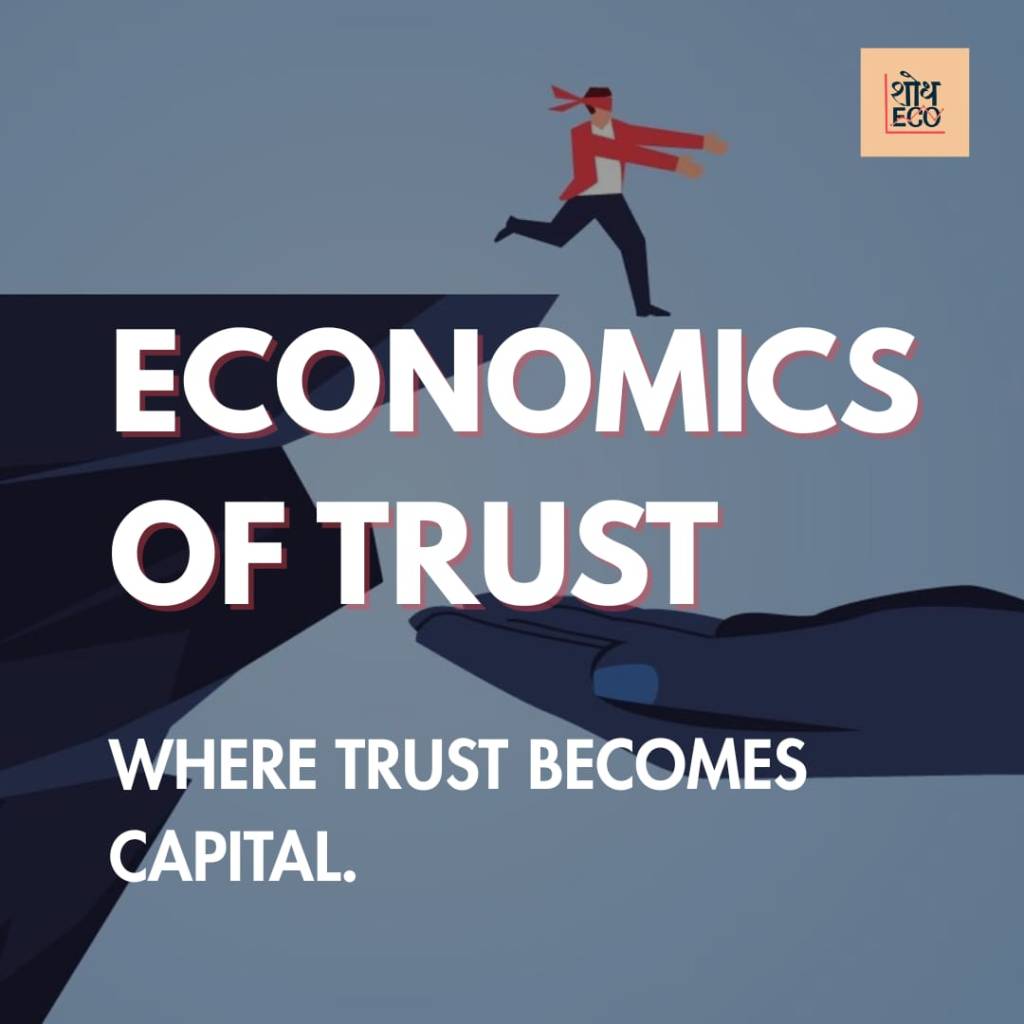

Nothing inspires quite like an offer of trust. Nothing proves as profitable as the economics of trust. Nothing wields more influence than a reputation for trust.
_Stephen R. Covey, American author and speaker.
Most of us recognize the strong link between trust and productivity gains, a connection that extends far beyond the workplace. Trust acts as an economic multiplier, reducing coordination costs across human interactions.
Trust resolves many issues arising from human connections. It makes the world a better place to live, turning dealings with others into the least of our problems. In economic terms, high trust lowers transaction costs like negotiation and verification.
Consider this: the 2017 Edelman Trust Barometer found global CEO credibility at just 37%, an all-time low. Does this distrust stop at the top or does it extend to managers and colleagues too? The trend has only worsened since.
The 2024 Edelman Trust Barometer Special Report: Trust at Work reveals a stark divide: 78% of executives believe they will be better off financially in five years, while only 39% of associates agree.
Frances X. Frei identifies three core drivers of trust: authenticity, logic, and empathy. Common complaints often boil down to poor communication, lack of appreciation and disregard for others’ viewpoints or opinions. Yet the root cause remains a fundamental lack of trust. These drivers position trust as an investable asset, where shortfalls drive up monitoring costs.
What exactly triggers this distrust? Why has communication broken down between executives and associates- between Gen X and Gen Z? Is it differences in how they approach problems versus how they react to them? Or is it clashing views on handling daily challenges, work-life balance and avoiding burnout?
The key to improvement lies in both sides first accepting and understanding these differences and recognizing that the gap won’t close on its own without deliberate effort from everyone involved.
Entry-level employees’ satisfaction and respect will grow by fostering a culture where voicing differences with seniors or holding opposing views isn’t seen as disrespect. In disagreements, decisions shouldn’t default to what the senior says, but to what the whole team agrees on or, if time allows, both ideas get tested, or the person doing the hands-on work gets to run with theirs.
Great Place to Work and its partners have observed that high-trust companies deliver stock market returns two to three times greater than the market average. Employees there are also three times more likely to say their colleagues willingly go the extra mile to get the job done. This quantifies trust’s ROI: lower turnover and higher effort drive sustained economic gains.
In the end, trust isn’t just a feel-good ideal, it’s the hidden engine of economic progress. Low trust drains resources through endless checks and friction, while high trust unleashes speed, innovation and shared effort. As Covey reminds us, its reputation alone can transform outcomes. The question for leaders and teams now- how long will we keep paying the trust tax before investing in the dividend?
References
Professional Services Northern Ireland. (n.d.). Economic impact of trust in the workplace. [https://psni.org/resources/blog/economic-impact-of-trust-in-the-workplace/](https://psni.org/resources/blog/economic-impact-of-trust-in-the-workplace/)
HR Executive. (n.d.). Economic optimism and trust in employers: What is the link?
Runn. (n.d.). How to build trust in the workplace. [https://www.runn.io/blog/how-to-build-trust-in-the-workplace](https://www.runn.io/blog/how-to-build-trust-in-the-workplace)
 ShodhEco