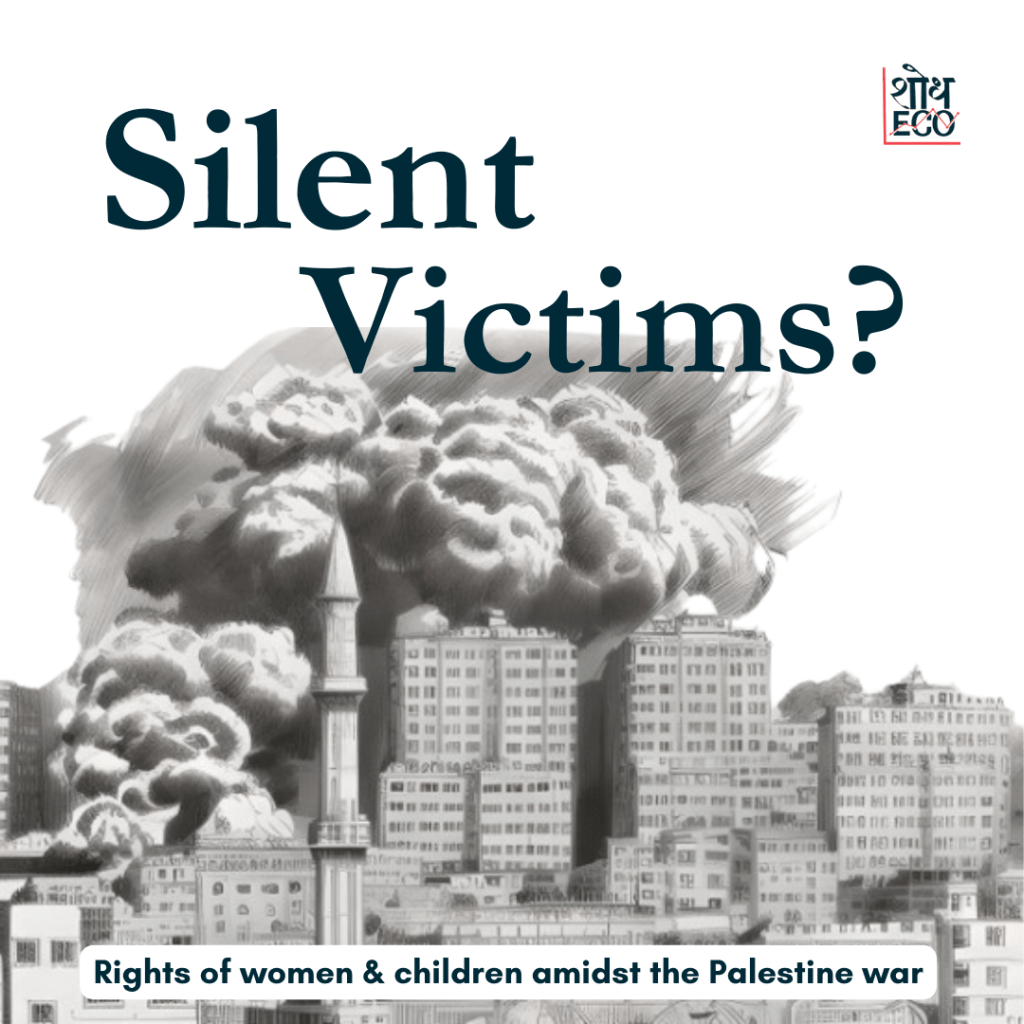

The ongoing conflict in Gaza has devastated countless lives, with women and girls bearing a disproportionate burden. Since the Hamas attack on Israel on October 7, 2023, and the subsequent Israeli military response, the situation has spiraled into a humanitarian crisis of unprecedented scale.
The October 7 attack on Israel was a tragedy of immense proportions, claiming approximately 1,200 lives, including numerous women and at least 33 children. The horrific accounts of gender-based atrocities and sexual violence during and after these attacks are deeply alarming. The abduction of around 250 people, including about 65 women, has added another layer of trauma to an already dire situation.As of April 29, 2024, the death toll in Gaza has reached a staggering 34,488 Palestinians, with 14,500 children and 9,500 women among the victims. The number of injured stands at 77,643, with an estimated 75% being female.
According to UNFPA, around 155,000 pregnant women and new mothers are struggling to survive and access basic healthcare. Additionally, an estimated 690,000 women and girls in Gaza who require menstrual hygiene supplies are unable to manage their menstrual cycles with privacy and dignity. Some reports even suggest women are resorting to taking contraceptive pills to avoid dealing with unhygienic menstrual conditions.
These figures are not just statistics; they represent shattered lives, broken families, and a generation scarred by unimaginable trauma.
Behind every statistic is a human story – a mother, a daughter, a sister fighting for survival and dignity in the face of unimaginable adversity. It is our collective responsibility to hear their voices, acknowledge their struggles, and take decisive action to bring about positive change. The path to peace and recovery will be long and challenging, but with concerted efforts and unwavering commitment, we can make a difference.
An aid worker in Gaza, who requested anonymity for security reasons, shared that in his decade-long experience on humanitarian missions in places like Sudan, Iraq, and Ukraine, Gaza stands out as the worst he has ever witnessed. He described driving past a large encampment recently, next to which was a makeshift cemetery. What deeply troubled him were the seven or eight freshly dug graves, awaiting the next civilian casualties. Many such stories have terrified sympathizers worldwide.
Those avoiding the call for a “ceasefire” echo Israel’s sentiment that Hamas should not be given any respite in fighting and that the war should only end after the armed group’s complete destruction. Many of these countries have called for peace or a political resolution, but have fallen short of using the term “ceasefire.” However, the urgent need to save lives and alleviate suffering in the Palestinian region highlights the critical importance of immediate action. A ceasefire could provide a crucial opportunity to deliver humanitarian aid, protect civilians, and create a foundation for lasting peace and stability.
It challenges the international community to move beyond mere condemnation and take concrete steps to protect women and children caught in the crossfire. The experts are part of the Special Procedures of the Human Rights Council, the largest body of independent experts in the UN human rights system. These Special Procedures serve as the Council’s independent fact-finding and monitoring mechanisms, addressing both specific country situations and thematic issues worldwide. They work voluntarily, maintaining independence from any government or organization. Their role is crucial in monitoring and reporting on human rights situations globally.
 ShodhEco